News
How more warehouses lead to higher asthma rates in children
October 6, 2026
By Nicolo Lalama, Sabre Iglesias, and Kira Ferrer
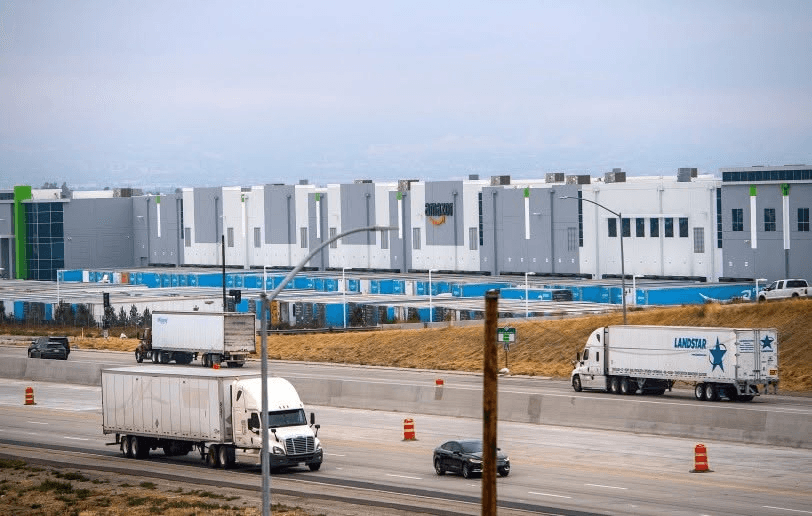
Every day, children in our neighborhoods face a higher risk of asthma than the average Californian youth. In Ontario, the rapid spread of warehouses continues to pollute the air which fills our kids’ lungs as they go to school, play outside, and visit friends. I know this because I was one of them.
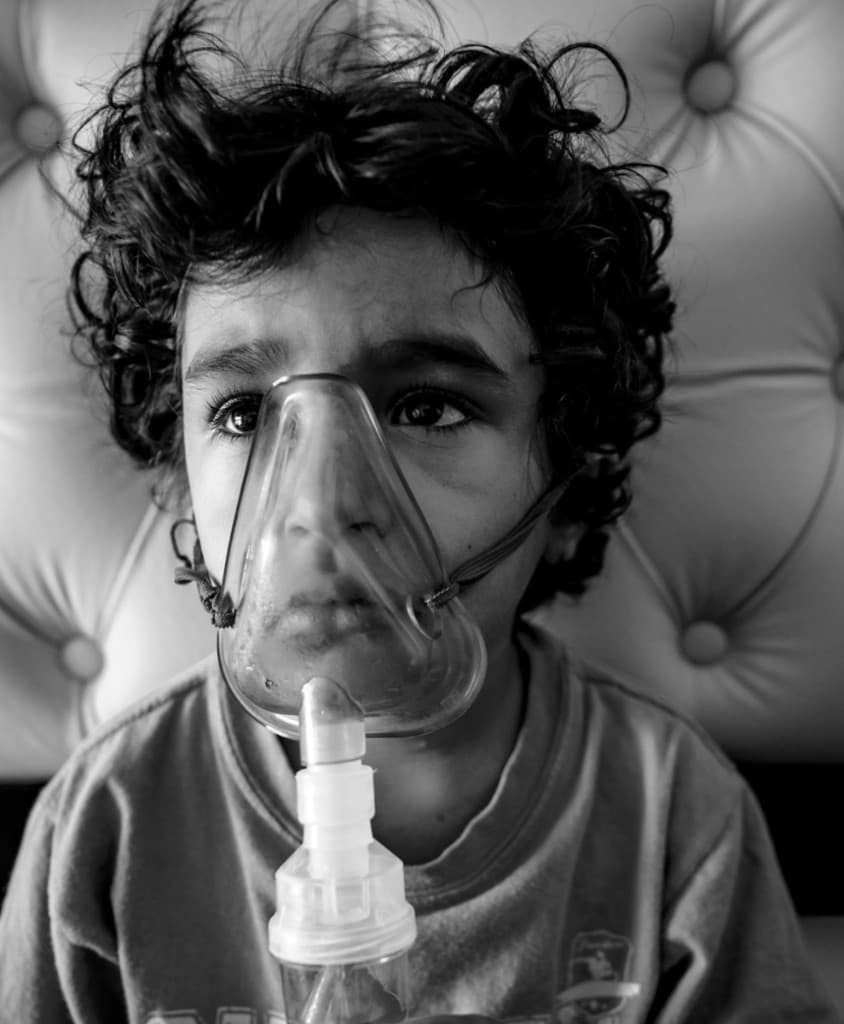
At the age of 6, I was diagnosed with asthma along with many of my peers. At that time, warehouses in Ontario began expanding, releasing pollutants like particulate matter, ozone, nitrogen dioxide and carbon monoxide into the air, all of which inhibit respiratory functions and irritate airways.
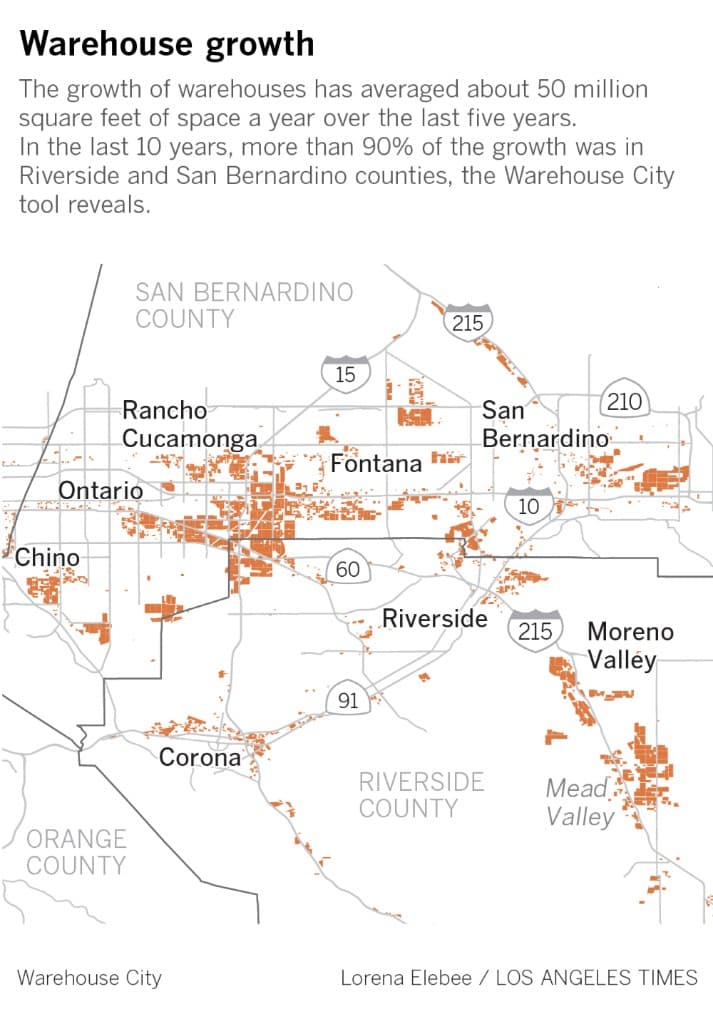
It is no coincidence that out of the top five most polluted cities in North America, the Inland Empire — including Ontario — make up four of them. As an adult, nothing has changed. Warehouses continue to grow unregulated across my hometown, and I watch as this new generation of youth suffer from the same hardships I faced.
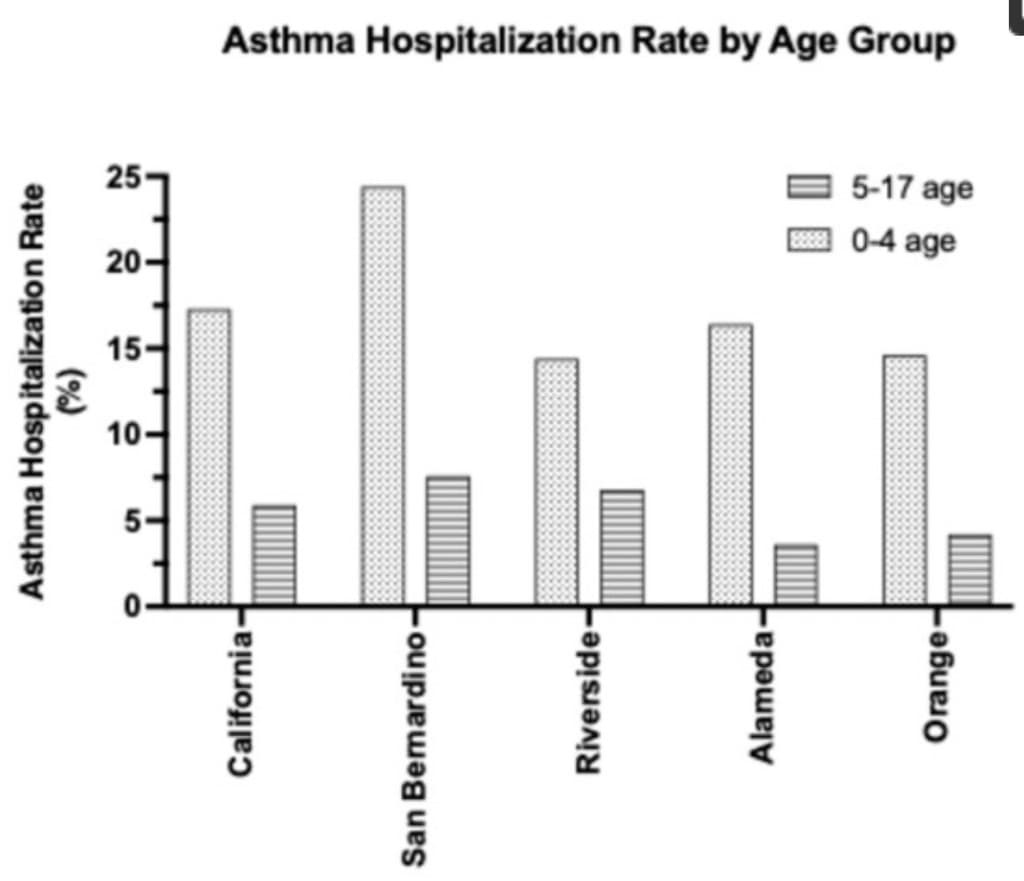
A study entitled “Pediatric Asthma in the Inland Empire: Environmental Burden, Gaps in Preventive Care, and Unmet Needs” by Catherine Kim, Christine Gharib, and Hani Atamna explores in greater detail how warehouse culture of the IE sets our children back in terms of mental health, education, and of course, physical health. They note that pediatric emergency room visits for asthma in the Inland Empire is 60.5 percent — higher than the state’s average of 56.7 percent. Furthermore, children in San Bernardino aged 0–4 are hospitalized for asthma at a rate of 24.4 percent compared to the state’s average rate of 17.3 percent.
While the physical effects are obvious — higher risk of respiratory disease, for instance — this has also proven to lead to poorer exam scores, lower grades, less involvement in class, and increased cases of school absences.
The article notes another study which found that:
Of 715 respondents [of children aged 5–11] representing an estimated 314,200 California schoolchildren with asthma, approximately 50.3% of students missed at least one school day, and 11.7% missed more than nine days of school due to asthma.
By allowing warehouses to function as they are, Ontario youth will be at a major disadvantage in terms of education. They will receive lower grades, miss more classes, and consequently, have less employment opportunities as adults. In turn, Ontario will suffer as a whole. Additionally, children in less wealthy regions of the Inland Empire who suffer from asthma have more difficulty accessing treatment at all compared to their wealthier peers. The article notes that “children in underrepresented regions of the IE who experience health insurance gaps also have 2.5-times higher odds of all-cause ED visits compared to continuously privately insured peers.”
Nearly every aspect of a child’s life — from school to home — is made worse by the heightened pollution levels in the Inland Empire. The article also notes that kids with asthma get less sleep and have a declined ability to concentrate, all of which “are critical to learning and social development.” Though there is much more to the article, the point is clear — action must be taken now to ensure our children enjoy a healthy and prosperous future. Join me, Nicolo Lalama, in our goal to make this possible by restricting the expansion of warehouses in Ontario and allowing our kids the right to breathe clean air.
Thank you very much.